What Is Paint Protection Film?
Paint protection film, commonly abbreviated as PPF, is a transparent urethane film applied to a vehicle's painted surfaces. The film is designed to act as a physical barrier between the paint and the environment, helping to reduce the risk of damage from road debris, stone chips, and similar physical exposure. Most PPF products are available in gloss and matte finishes, and some manufacturers also offer color PPF options that combine a protective layer with a change in appearance. If you are exploring whether this type of protection makes sense for your vehicle, our overview of paint protection film covers the product in more detail.
What Is Ceramic Coating?
Ceramic coating is a liquid-applied product that is spread onto a vehicle's exterior and then cured to form a thin, transparent layer over the paint. The coating is designed to chemically bond with the painted surface, and it is commonly chosen for its effect on surface behavior — including gloss enhancement and water-repellent characteristics that can make routine cleaning easier. Ceramic coatings are available in a range of formulations, and manufacturer specifications for durability and performance vary by product. Our overview of protective coatings provides additional context on how these products are applied and what they are designed to do.
Physical Film vs Liquid-Applied Coating
The most fundamental difference between PPF and ceramic coating is the form each product takes. PPF is a physical film — a tangible sheet of material that is cut and applied to the vehicle's painted panels. Ceramic coating is a liquid that is applied by hand and then cured into a thin layer on the surface. This distinction shapes how each product functions: the film creates a physical barrier, while the coating creates a chemically bonded surface layer. The two products are not interchangeable, and understanding this difference is the first step in deciding which one — or whether both — fits a given protection goal.
What PPF Is Designed to Do
PPF is designed to help protect painted surfaces from physical exposure. The film is intended to act as a sacrificial barrier that adds a physical layer between the painted surface and road debris, stone chips, and similar contact, helping to reduce the likelihood that the underlying paint is marked or chipped. Some PPF manufacturers describe certain topcoats as having self-healing characteristics intended to reduce the appearance of light surface marks under specified conditions. The extent of this behavior varies by product and manufacturer, and it should not be presented as a universal guarantee. PPF does not make paint immune to damage, and the level of protection depends on the specific film, the thickness of the application, and the type of exposure involved.
What Ceramic Coating Is Designed to Do
Ceramic coating is designed to enhance the surface behavior of painted panels. A cured coating is commonly chosen for its gloss-enhancing and water-repellent characteristics, and it may help make routine washing and maintenance easier by reducing the tendency of some contaminants to bond to the surface. Ceramic coatings are not designed to provide physical impact protection against rock chips or road debris, and they should not be described as a substitute for PPF in that context. The specific performance of a coating — including its durability, water behavior, and resistance to staining — depends on the product, the preparation of the surface, and the maintenance routine that follows application.
Rock Chips, Road Debris, and Surface Marks
Rock chips and road debris are among the most common concerns vehicle owners raise when considering paint protection. PPF is specifically designed to help address this type of physical exposure. Because the film is a physical barrier applied over the paint, it is positioned to intercept stones, gravel, and other debris that would otherwise contact the painted surface directly. Ceramic coating, by contrast, is a thin liquid layer and is not designed to absorb or resist physical impacts. A coating may help with certain surface contaminants, but it is not the right product when the primary concern is chip prevention. For a deeper look at how PPF coverage is typically configured for high-exposure areas, our comparison of full front versus full vehicle PPF coverage walks through the most common package options.
Surface Contamination, Cleaning, and Hydrophobic Behavior
Both PPF and ceramic coating can influence how a vehicle's surface interacts with contaminants, but they do so in different ways. Ceramic coatings are commonly chosen for their hydrophobic behavior — a tendency for water to bead and roll off the coated surface, which can make washing easier and may reduce the effort needed to remove some contaminants. This behavior does not make a vehicle maintenance-free, and water spots, bird droppings, and other contaminants can still affect a coated surface if left unaddressed. PPF can also offer water-repellent characteristics, particularly when a topcoat is present, but its primary function remains physical protection. Neither product prevents all contaminants from bonding to the surface, and regular washing remains necessary for both.
Appearance, Gloss, and Finish
Appearance is a meaningful part of the decision for many vehicle owners. Ceramic coating is frequently chosen for its effect on gloss and depth, with many products designed to enhance the reflective quality of the paint beneath. PPF is also available in gloss finishes that can maintain or enhance the appearance of the paint, as well as matte finishes that can change the look of the vehicle. Some PPF products may slightly alter the appearance of the paint beneath, particularly at certain angles or lighting conditions, and a professional installation can help minimize visible edges or texture. For those considering a change in appearance rather than a clear protective layer, our comparison of color PPF versus vinyl wrap covers the differences between protective and restyling options.
UV Exposure and Paint
UV exposure is a factor that can affect painted surfaces over time. Both PPF and ceramic coating are marketed with claims related to UV resistance, and many products are designed to help reduce the effects of UV exposure on the paint beneath. The specific level of UV protection depends on the product and manufacturer, and no coating or film can be described as providing guaranteed UV protection. When UV resistance is a priority, it is worth confirming the manufacturer's specifications for the specific product being considered and asking the installer what performance claims are supported by the manufacturer's documentation.
Chemical and Stain Resistance
Chemical and stain resistance is an area where ceramic coatings are commonly highlighted. A cured coating is designed to resist certain chemicals and may help reduce the likelihood of staining from contaminants such as bird droppings, tree sap, and insect residue. The specific resistance profile depends on the coating product and the type of contaminant involved, and no coating can be described as guaranteeing stain or chemical resistance in all conditions. PPF can also offer resistance to certain chemicals, and many films are designed to resist staining from common environmental contaminants. For both products, the manufacturer's specifications should be consulted for the specific resistance claims associated with a given product.
Installation and Curing
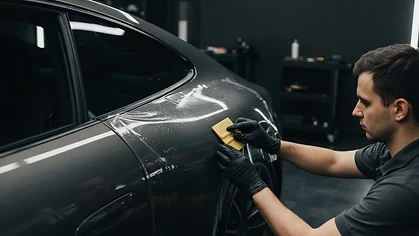
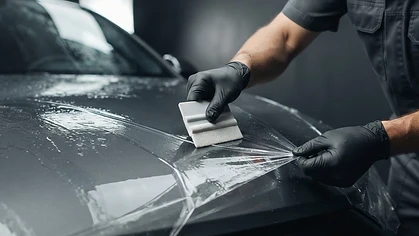
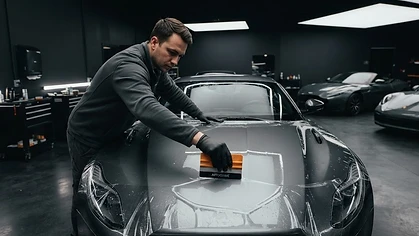
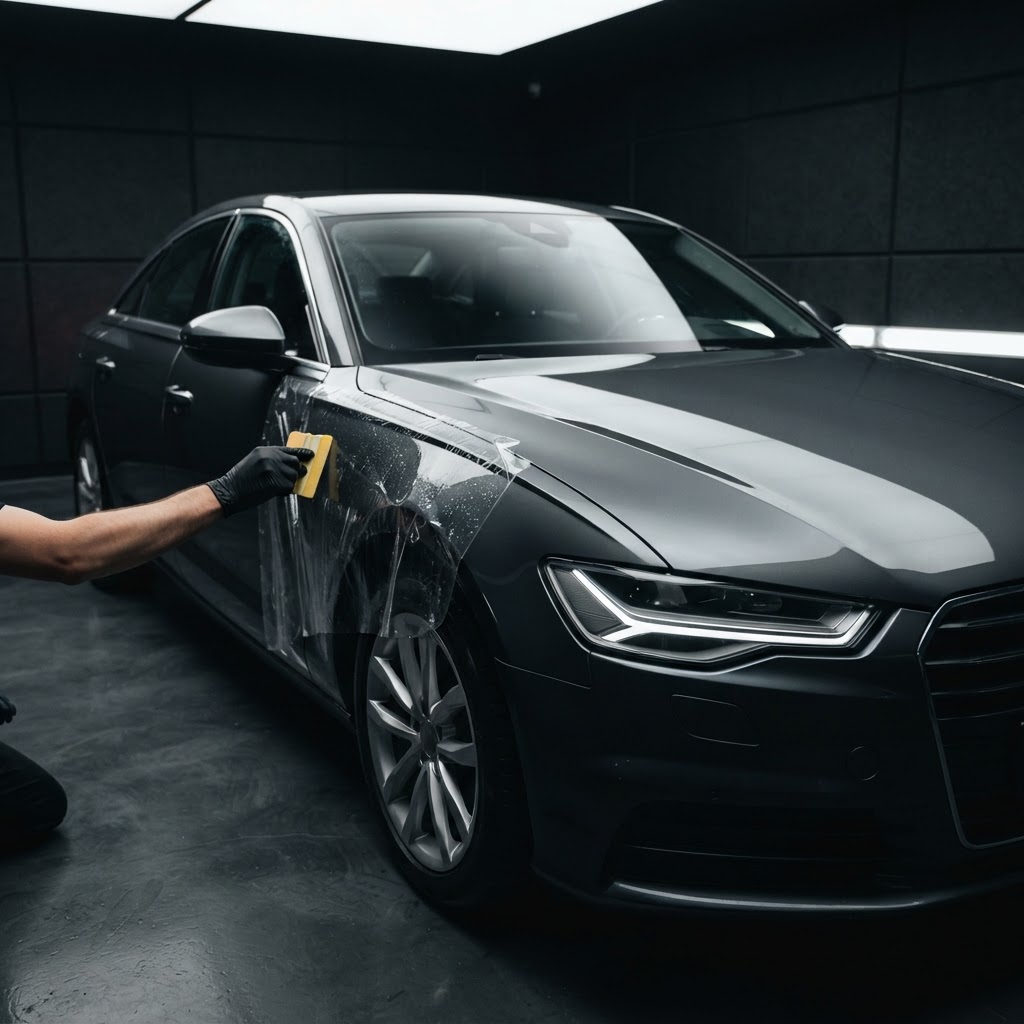
The installation processes for PPF and ceramic coating are quite different. PPF installation involves cutting a film to fit the vehicle's panels — either from pre-cut patterns or by hand-trimming on the vehicle — and applying it with a slip solution and squeegee to achieve a smooth, adhered surface. The process requires skill and experience to minimize visible edges, bubbles, and stretch marks. Ceramic coating application involves preparing the paint surface — often through decontamination and, in some cases, paint correction — and then applying the liquid coating by hand in sections, allowing it to flash before leveling and wiping off the residue. After application, the coating requires a curing period during which the surface should be kept dry and free from contaminants. The length of the curing window depends on the product and environmental conditions, and the installer can provide specific guidance for the coating being used.
Maintenance, Removal, and Reapplication
Maintenance requirements differ between the two products. A ceramic coating can be maintained through regular washing with compatible products, and some coatings benefit from periodic top-up sprays designed to refresh the surface behavior. Over time, a coating may wear down and require reapplication, depending on the product, the environment, and the maintenance routine. PPF is maintained through regular washing as well, and the film can also benefit from periodic inspection to check for lifting edges, discoloration, or wear in high-exposure areas. When PPF reaches the end of its service life, it can be removed by a professional and replaced with new film. Removal of PPF should be performed carefully to avoid affecting the paint beneath, particularly on older or weathered installations. Neither product eliminates the need for ongoing care, and both benefit from a consistent maintenance routine.
Using PPF and Ceramic Coating Together
PPF and ceramic coating can serve complementary functions, and the two products are sometimes used together on the same vehicle. A common approach is to apply PPF to high-exposure areas — such as the hood, fenders, and bumper — for physical protection, and to apply a ceramic coating to the remaining painted surfaces for gloss enhancement and easier cleaning. In some cases, a ceramic coating may be applied over compatible PPF, though compatibility depends on the specific film and coating systems being used and should be confirmed with the manufacturer or installer before proceeding. The combination is not necessary for every vehicle, and the decision to use both should be based on the surfaces to be protected, the type of exposure the vehicle sees, and the appearance and maintenance goals of the owner. Using both products does not create a maintenance-free vehicle, and each product still requires the care appropriate to its type.
When Each Option May Fit the Protection Goal
PPF may fit the goal when the primary concern is physical exposure — rock chips, road debris, and similar impact events that can mark or chip painted surfaces. The film is designed to serve as a physical barrier, and it is often applied to the forward-facing panels that see the most exposure. Ceramic coating may fit the goal when the priority is surface behavior — gloss enhancement, water-repellent characteristics, and easier routine cleaning. A coating does not provide physical impact protection, but it can complement a vehicle's maintenance routine and appearance. Using both may make sense when the goal includes both physical protection for high-exposure areas and enhanced surface behavior across the rest of the vehicle. The right choice depends on what type of protection is wanted, which surfaces are a priority, and how the vehicle is maintained over time. For a broader look at whether this category of protection is worth considering, our article on whether paint protection film is worth it covers the value question in more detail.
Questions to Ask an Installer Before Choosing
Before committing to either product — or to a combination of both — it can help to ask an installer several questions: What specific product will be used, and what does the manufacturer's documentation say about its performance and durability? Is the coating or film compatible with the vehicle's current paint condition, and is any paint correction or surface preparation needed before application? What coverage areas are recommended for the vehicle, and why? What is the expected maintenance routine, and what products should be used or avoided? What warranty or guarantee, if any, is offered by the manufacturer or the installer, and what does it cover? What is the expected service life of the product, and what does replacement or reapplication involve? Asking these questions can help clarify which product — or combination — fits a given protection goal and what to expect over time.
Neutral Comparison Takeaway
PPF and ceramic coating protect vehicle surfaces in different ways, and neither product is universally better than the other. PPF is a physical film designed to help protect painted surfaces from rock chips, road debris, and similar physical exposure. Ceramic coating is a liquid-applied coating designed to enhance surface behavior and make routine cleaning and maintenance easier. The two can also be used together when their different functions match the protection goal, though compatibility depends on the specific products involved. The right choice depends on what type of protection is wanted, which surfaces are a priority, and how the vehicle will be maintained. Rather than treating the decision as a hierarchy, it can be more useful to start with the surfaces to protect and the type of exposure that matters most, and then match the product — or combination of products — to that goal.
Ready to protect your vehicle?
Get a personalized recommendation from ArtDeShine Studios.