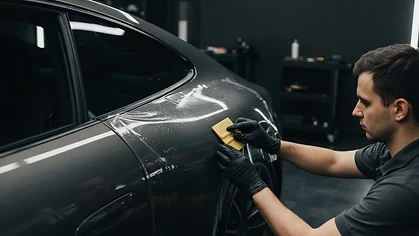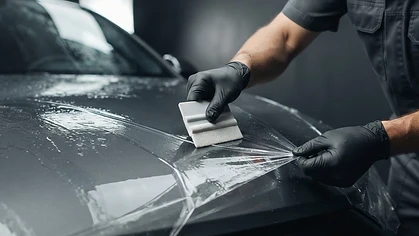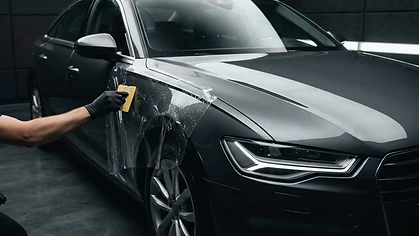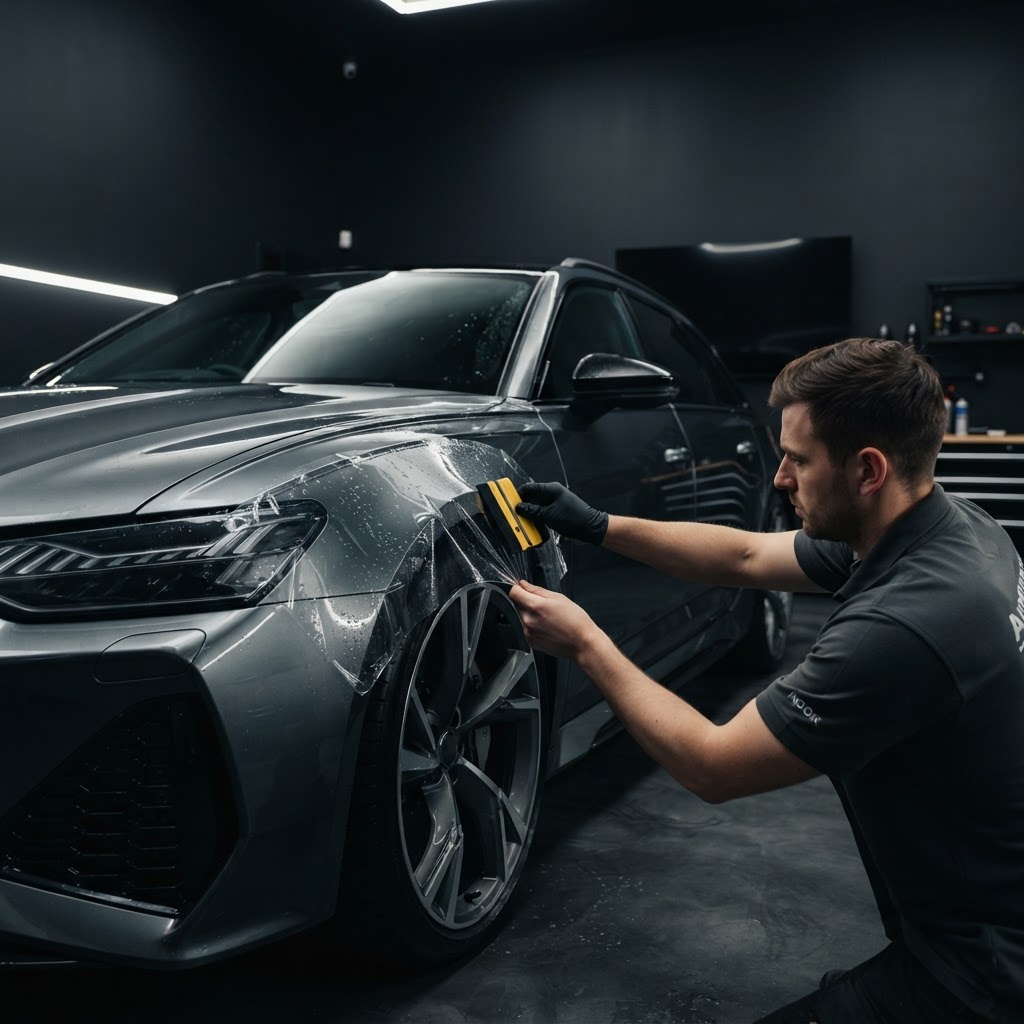
Paint protection film comes in several coverage levels, and two of the most commonly compared options are Full Front and Full Vehicle PPF. Understanding what each level includes — and what it does not — helps you make an informed decision about how much of your vehicle's painted surface you want protected. If you are still exploring whether PPF makes sense for your vehicle, our Is Paint Protection Film Worth It? guide covers the broader question before diving into specific coverage levels.
This comparison breaks down what Full Front and Full Vehicle PPF typically include, how the two options differ, and what to consider when choosing between them. Neither option is universally better — the right choice depends on which painted surfaces you want covered and how broadly you want film protection applied.
What Is Full Front PPF?
Full Front PPF is designed to help protect the forward-facing painted surfaces that receive the most direct exposure to road debris during normal driving. A typical Full Front package includes coverage on the front bumper, the full hood, and the front fenders. Depending on the specific package and installer, it may also include the headlights and the forward-facing mirror caps or mirror housings.
The exact surfaces included can vary. Some packages wrap the full hood, while others cover only a partial hood area. Some include headlights by default; others treat them as an add-on. The definition of "full" in Full Front depends on how the installer defines the scope, so confirm exactly which panels are included before deciding.
What Is Full Vehicle PPF?
Full Vehicle PPF extends film coverage across essentially all painted exterior body panels. In addition to the forward-facing surfaces covered by a Full Front package, Full Vehicle coverage typically includes the doors, rear quarter panels, rear painted surfaces, side painted panels, and other exterior painted panels as applicable to the vehicle's construction.
As with Full Front, the exact included surfaces can depend on vehicle construction and how the package is defined. "Full vehicle" refers to the breadth of painted exterior panel coverage, not necessarily every physical surface on the vehicle.
Full Front vs Full Vehicle PPF: The Main Differences
The primary difference is the extent of painted-surface coverage. Full Front concentrates protection on the forward-facing painted surfaces — the areas most directly in the path of road debris. Full Vehicle extends that protection across a broader range of painted exterior panels, including side and rear surfaces that Full Front does not typically cover.
A useful comparison framework includes several dimensions:
- Coverage area: Full Front covers front-facing painted panels; Full Vehicle covers essentially all painted exterior panels.
- Forward-impact emphasis: Both address the forward-facing surfaces most exposed to road debris. Full Front focuses exclusively on this zone; Full Vehicle includes it as part of a broader application.
- Side and rear painted surfaces: Full Front typically does not cover doors, rear quarters, or rear painted panels. Full Vehicle does.
- Visual continuity: Full Vehicle can provide more consistent film coverage across painted panels. Full Front covers the front but leaves side and rear surfaces without film.
- Installation scope: Full Vehicle involves more film-covered surface area and more panels to wrap, which typically means a larger installation effort.
- Maintenance scope: More film-covered surface area means more area to inspect, care for, and potentially replace over time.
- Future replacement or removal scope: With Full Vehicle, more panels are involved if film needs to be removed or replaced in the future.
What Full Front PPF Is Designed to Protect
Full Front PPF is designed to help protect the forward-facing painted surfaces most directly exposed to road debris. The front bumper, hood, and front fenders most frequently encounter stones, gravel, insects, and other material encountered during driving. By adding a sacrificial film layer to these surfaces, Full Front PPF can reduce direct exposure to that debris. The film is not a guarantee that no damage will ever occur underneath — it is designed to help protect the painted surfaces it covers by taking the brunt of impacts that would otherwise reach the paint directly.
What Additional Coverage Does Full Vehicle PPF Add?
Beyond the surfaces included in a Full Front package, Full Vehicle PPF adds film coverage to the remaining painted exterior panels. This typically includes the doors, rear quarter panels, rear painted surfaces, and side painted panels. Depending on the vehicle, it may also include other exterior painted areas such as a trunk lid, tailgate, or roof panel.
The practical difference is that Full Vehicle extends protection to painted surfaces that Full Front does not cover. Side doors, rear panels, and other painted areas can also be exposed to debris, contact, and environmental factors — though typically with less direct forward impact than the front of the vehicle. Full Vehicle addresses those surfaces with the same type of sacrificial film layer applied to the front.
Advantages of Full Front PPF
Full Front PPF offers several benefits for owners whose priority is protecting the most prominently exposed painted surfaces:
- Focused protection: Coverage is concentrated on the forward-facing painted surfaces that receive the most direct road debris exposure.
- Prominent area coverage: The hood, front fenders, and front bumper are among the most visible painted surfaces, and they are the areas most likely to show the effects of road debris over time.
- Smaller installation scope: Compared to Full Vehicle, Full Front involves fewer panels and less film-covered surface area, which typically means a more contained installation process.
- Front impact zone protection without wrapping every panel: Owners who want the major front-facing impact zones protected without applying film to every painted panel can choose Full Front as a targeted option.
Full Front does not cover side or rear painted surfaces. For owners whose priority is specifically the forward-facing area, that may be an acceptable tradeoff. For owners who want broader coverage, Full Vehicle may be the more appropriate choice.
Advantages of Full Vehicle PPF
Full Vehicle PPF offers benefits for owners who want the broadest painted-surface coverage available:
- Broader painted-surface coverage: Film protection extends beyond the front of the vehicle to doors, rear quarter panels, and other painted exterior panels.
- More consistent film coverage across painted panels: With film applied to essentially all painted exterior surfaces, the vehicle has a more uniform layer of protection rather than film on some panels and bare paint on others.
- Protection extending beyond the front: Side doors, rear panels, and other painted areas receive the same sacrificial film layer as the forward-facing surfaces.
- The broadest PPF coverage available: For owners who want the maximum extent of painted-surface protection, Full Vehicle represents the most comprehensive coverage level.
Full Vehicle involves a larger installation scope and more film-covered surface area than Full Front. Whether that broader coverage is the right choice depends on the owner's protection priorities and comfort with the larger scope.
Tradeoffs to Consider
Both coverage levels involve tradeoffs. Understanding them helps you make a more informed decision:
- Larger installation scope: Full Vehicle requires wrapping more panels, which involves more film, more labor, and more time than Full Front.
- More film-covered surface area: With Full Vehicle, there is more surface area to keep clean, inspect, and maintain over the life of the film.
- Greater maintenance and replacement scope: If film on any panel needs attention — whether edge inspection, repair, or replacement — Full Vehicle involves more panels that could potentially require that attention.
- Additional edges and panel complexity: More panels mean more edges where the film ends. Each edge is a point to inspect and care for over time.
- Different coverage priorities: Full Front prioritizes the forward-facing zone. Full Vehicle prioritizes comprehensive painted-panel coverage. The right choice depends on which priority matters more to you.
None of these tradeoffs makes one option universally better than the other. They are factors to weigh against your own protection priorities and the specific package being offered.
Does Full Vehicle PPF Mean Every Surface Is Covered?
No. "Full Vehicle" refers to the breadth of painted exterior panel coverage — not literally every physical surface on the vehicle. Full Vehicle PPF typically covers painted exterior body panels. It does not typically include:
- Glass surfaces such as windshields, side windows, or rear glass
- Trim pieces that are not painted exterior panels
- Wheels and wheel surfaces
- Light assemblies, unless specifically included by the package
- Interior surfaces of any kind
- Other non-painted components such as plastic cladding, chrome accents, or exposed carbon fiber (unless the package specifically addresses them)
If you have questions about whether a specific surface is included, ask the installer exactly which panels and components the Full Vehicle package covers. The package definition determines what is actually included — the name alone does not guarantee coverage of every surface.
Installation Quality Matters at Either Coverage Level
Regardless of whether you choose Full Front or Full Vehicle, the quality of the installation has a significant effect on how the film performs and how it looks over time. Key installation factors include:
- Surface preparation: The painted surfaces must be properly prepared before film application. Contamination, residue, or imperfections left on the surface can affect how the film adheres and appears.
- Panel complexity: Some panels have more complex shapes, curves, or contours than others. Complex panels require more skill to wrap cleanly without distortion or lifting.
- Edges: How edges are handled — whether the film is tucked, wrapped, or cut at the panel edge — affects both appearance and long-term durability. Lifting edges can collect debris and compromise the film over time.
- Seams and alignment: Where film pieces meet, seams should be aligned and placed thoughtfully. The film must be aligned correctly on each panel to ensure proper coverage and a clean appearance.
- Installer technique: Experience and technique matter. An experienced installation team is more likely to produce a clean, durable result than an installer unfamiliar with the specific vehicle or film product.
If you are exploring PPF for your vehicle, you can learn more about our paint protection film service and the installation approach we take. The same installation quality standards apply at both coverage levels — the difference is how many panels are involved.
Maintenance Considerations
PPF is not a maintenance-free product. It still requires appropriate care to perform and look its best over time. General maintenance considerations include:
- Washing: Follow the film manufacturer's or installer's care guidance for washing. Some cleaning products or methods may not be appropriate for film surfaces.
- Surface contamination: Bird droppings, tree sap, insect residue, and other contaminants should be addressed following the care guidance provided. Leaving contamination on the film for extended periods can affect its appearance.
- Edge inspection: Edges are the most vulnerable points on any film-wrapped panel. Periodically inspect edges for lifting, peeling, or debris accumulation.
- Film condition: Over time, inspect the film for signs of wear, discoloration, or damage. If any area appears compromised, have it evaluated by a professional.
Full Vehicle involves more film-covered surface area than Full Front, which means more area to wash, inspect, and maintain. This is not a reason to avoid Full Vehicle — it is simply a factor to be aware of when choosing your coverage level.
Removal and Replacement Considerations
At some point, PPF may need to be removed or replaced. This could be because the film has reached the end of its useful life, because damage has occurred, or because the owner wants to update the coverage. Removal and replacement should be approached professionally and cautiously.
Several factors can affect how removal goes:
- Underlying paint condition: The condition of the paint beneath the film at the time of removal matters. Paint that was in poor condition before the film was applied, or that has experienced issues underneath the film, may be more vulnerable during removal.
- Prior repairs: Panels that have been repainted or repaired before film application may respond differently to removal than factory-painted panels.
- Installation quality: How the film was originally installed — including adhesive use, stretching, and edge handling — can affect how it removes.
- Film condition: Film that is old, brittle, or degraded may be more difficult to remove cleanly than film that is in good condition.
- Removal technique: Professional removal using appropriate techniques and tools is important. Improper removal can damage the paint beneath.
It is not accurate to say that removal can never affect the paint. In most cases, professionally performed removal of properly installed film from factory paint in good condition goes smoothly — but underlying conditions and removal technique both matter. If you have questions about removal, discuss them with your installer before having film applied.
How to Decide Between Full Front and Full Vehicle PPF
Choosing between Full Front and Full Vehicle PPF comes down to your protection priorities and the specific package being offered. The following questions can help you think through the decision:
- How much painted surface do you want covered? If you want film on the forward-facing impact zone only, Full Front may be the right fit. If you want film across essentially all painted exterior panels, Full Vehicle is the more appropriate option.
- Is your priority concentrated front-end protection or broader exterior coverage? Full Front focuses on the front. Full Vehicle extends across the vehicle's painted panels.
- Do you want film protection on doors and rear painted panels? If yes, Full Vehicle adds those surfaces. If not, Full Front may be sufficient.
- Are you comfortable with the larger installation and maintenance scope of broader coverage? Full Vehicle involves more panels, more film, and more surface area to maintain.
- What does the specific installer package actually include? Package definitions vary. Confirm exactly which panels are included before deciding.
There is no universal right answer. The decision depends on your priorities and the package being offered. If you want to explore your options with a specialist, visit one of our studio locations or start a quote to discuss your vehicle and coverage goals.
Full Front vs Full Vehicle PPF: Final Takeaway
Full Front and Full Vehicle PPF are not competing options where one is universally better. They are two coverage levels designed for different protection priorities:
Full Front concentrates protection on the forward-facing painted surfaces — the areas most directly exposed to road debris. It is the more focused option, covering the prominent front impact zone without wrapping every painted panel.
Full Vehicle extends film coverage across essentially all painted exterior panels, providing broader painted-surface protection that includes doors, rear quarter panels, and other side and rear surfaces.
The appropriate choice depends on how much painted surface you want covered, whether protection beyond the front of the vehicle is a priority, and exactly what the specific installer package includes. There is no universal winner — only the option that better matches your protection goals and the package being offered. If you are considering PPF for a specific vehicle, explore the brands we work with or contact our team to discuss which coverage level makes sense for your situation.
Ready to protect your vehicle?
Get a personalized recommendation from ArtDeShine Studios.