Color paint protection film and vinyl wrap are two of the most common ways to change a vehicle's appearance, and they are often discussed side by side as if they serve the same purpose. While both materials are applied to a vehicle's painted exterior surfaces and both can alter its visual finish, they are not identical products. Each is manufactured with different priorities in mind, and understanding those differences is an important part of choosing the right option for a specific vehicle and a specific set of goals.
This article compares Color PPF and vinyl wrap in general terms, covering what each material is, how their purposes differ, and what questions an owner may want to consider before deciding between them. The goal is not to declare one option universally preferable to the other, but to explain the distinctions so that the choice can be based on what the vehicle owner wants the material to accomplish.
What Is Color PPF?
Color PPF, or colored paint protection film, is a category of polyurethane-based film that is manufactured with color or a specific finish integrated into the material. Like transparent paint protection film, Color PPF is designed to be applied over a vehicle's painted exterior surfaces. The film adds a physical layer over the paint, and because it is produced with color or a particular finish, it can also change the vehicle's appearance at the same time.
Color PPF products combine two functions in one material: the visual transformation of a color or finish change, and the protective intent associated with paint protection film. It is important to understand that Color PPF products are not all identical. Properties such as thickness, clarity, top-coat technology, and available finishes can vary depending on the manufacturer and the specific product line. Any claims about a particular Color PPF product's performance should be confirmed using that manufacturer's documentation.
What Is Vinyl Wrap?
Vinyl wrap, sometimes called a vehicle wrap or color change wrap, is a thin vinyl film applied to a vehicle's exterior painted surfaces for the purpose of visual customization. Vinyl wrap is available in a wide range of colors and finishes, and it is commonly used by owners who want to change the vehicle's appearance without repainting it. In addition to solid colors, vinyl wrap can also be used for graphics, printed designs, and specialty visual effects that may not be available in PPF products.
Vinyl wrap is primarily an appearance and customization material. Its main function is to alter the visual look of the vehicle, and it is widely used in the automotive industry for that purpose. While vinyl does add a physical layer over the paint, it is not manufactured with the same protective intent as PPF, and it should not be treated as an equivalent substitute for paint protection film when physical impact protection is a priority.
Color PPF vs Vinyl Wrap: The Main Differences
The most important distinction between Color PPF and vinyl wrap is their primary purpose. Color PPF is designed to combine an appearance change with the protective function of a paint protection film layer. Vinyl wrap is designed primarily for visual customization and surface appearance changes. This difference in intended purpose affects how each material is manufactured, how it performs over time, and what it is suited for.
Other differences include the material characteristics of each product, the way each is installed, the maintenance each requires, and the process for removing or replacing each material. The table below summarizes the general differences, but it is not a substitute for manufacturer-specific product information.
| Consideration | Color PPF | Vinyl Wrap |
|---|---|---|
| Primary purpose | Appearance change combined with a protective film layer | Visual customization and surface appearance changes |
| Protective intent | Designed as a paint protection film with color or finish | Not manufactured with protective intent as its primary function |
| Appearance options | Colors and finishes depending on manufacturer and product line | Wide range of colors, finishes, and printed graphics |
| Material category | Polyurethane-based film | Vinyl film |
Appearance and Finish Options
Both Color PPF and vinyl wrap offer a range of appearance options, but the available finishes and colors depend on the manufacturer and the specific product line. Common finish categories that may be available in one or both materials include gloss, matte, satin, and metallic or specialty finishes. Not every finish is available in both materials, and the appearance of a given finish name can vary between manufacturers.
Vinyl wrap generally offers a broader selection of printed graphics, patterns, and custom designs, since vinyl can be printed with images and effects that are not possible with PPF. Color PPF, by contrast, is typically available in a curated set of solid colors and finishes, with the range expanding as manufacturers develop new product lines. An owner who has a specific color or visual effect in mind should confirm whether that option is available in Color PPF, vinyl, or both before making a decision.
How Their Protective Purposes Differ
The protective purpose of Color PPF and the purpose of vinyl wrap are fundamentally different. Color PPF is designed as a protective film layer that also changes the vehicle's appearance. It is manufactured with the intent of adding a sacrificial film over the painted surface, which can reduce the direct exposure of the paint to environmental contact and road debris. Vinyl wrap is designed primarily for appearance, and while it does cover the paint, it is not manufactured with the same protective intent as PPF.
It would be inaccurate to say that vinyl provides no protection at all — any physical layer over the paint can offer some degree of surface coverage. However, vinyl should not be represented as equivalent to PPF for physical impact protection unless a specific manufacturer's product documentation supports that claim. The distinction is not that one material is good and the other is not, but that they are designed for different priorities.
What About Rock Chips and Road Debris?
Rock chips and road debris are among the most common reasons vehicle owners seek paint protection. Color PPF may be selected when an owner wants an appearance change combined with a film that is designed for paint protection. The film is intended to help reduce direct exposure of the painted surface to road debris, and it adds a sacrificial layer that can bear contact that would otherwise reach the paint.
Vinyl wrap should not be represented as equivalent to PPF for physical impact protection. If protection against rock chips is a primary concern, the owner should ask the installer what specific product is being used, what the manufacturer says about its protective properties, and whether that product is designed for that purpose. General statements about vinyl's protective performance should not be substituted for product-specific information from the manufacturer.
What Does "Self-Healing" Mean With PPF?
The term "self-healing" is sometimes used in connection with paint protection film, and it can be a source of confusion. Some PPF products are marketed with top-coat technologies designed to reduce the appearance of light surface marks under specified conditions. This does not mean that all PPF or all Color PPF products are self-healing, and it does not mean that the film can repair significant damage.
Properties such as self-healing performance vary by manufacturer and product. The specific conditions under which a top coat may reduce the appearance of surface marks — including temperature, the type of mark, and the severity — depend on the product and should be confirmed using the film manufacturer's documentation. No specific temperature, time, or performance threshold should be assumed without verifying it against the manufacturer's published product information.
Installation Considerations
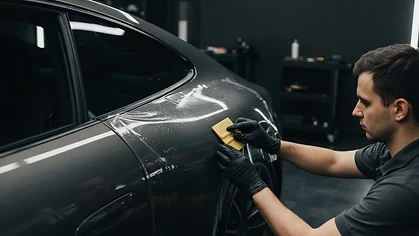
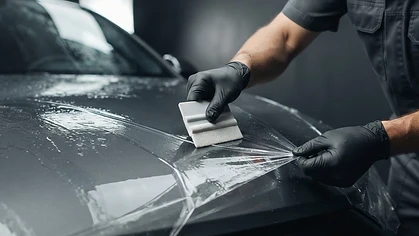
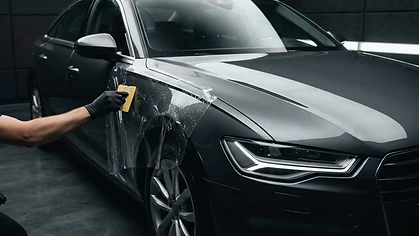
Both Color PPF and vinyl wrap require professional installation for a quality result, and the installation process for each material involves surface preparation, precise application, and attention to panel geometry. The installer's technique, the specific product being used, and the design of the vehicle all influence the final result.
Surface preparation is important for both materials. The vehicle's painted surfaces need to be clean and free of contamination before either film is applied. Panel geometry — including curves, contours, and complex body panels — affects how the film conforms to the vehicle. Edges and seams must be planned based on the vehicle's design and the coverage strategy. Neither material is universally easier or harder to install; the difficulty depends on the vehicle, the product, and the installer's experience with that specific material.
Edges, Seams, and Panel Coverage
The final appearance of either Color PPF or vinyl wrap depends partly on how edges and seams are handled. Vehicle design plays a significant role — some panels allow for cleaner edges than others, and some areas of the vehicle are more difficult to cover without visible seams. Film characteristics, installer technique, and the coverage strategy all contribute to where seams and edges are necessary and how visible they are.
It is not realistic to promise invisible installation in every case. An owner who is concerned about edge visibility should discuss the coverage plan with the installer before the project begins, including which panels will be covered, where seams will fall, and how edges will be finished.
Maintenance Considerations
Both Color PPF and vinyl wrap require appropriate care to maintain their appearance over time. Appropriate washing methods, attention to surface contamination, and periodic inspection of edges are part of maintaining either material. The specific care recommendations — including washing techniques, products to avoid, and any restrictions on waxing, polishing, or chemical exposure — depend on the manufacturer and the product.
Owners should follow the manufacturer's care instructions for the specific product installed. General maintenance advice should not be substituted for product-specific care guidelines. If an owner is unsure about what care a particular film requires, the installer or the film manufacturer can provide the relevant documentation.
Removal and Underlying Paint
At some point, either Color PPF or vinyl wrap may need to be removed — whether for replacement, a change in appearance, or sale of the vehicle. Removal considerations can depend on several factors, including the condition of the underlying paint, any previous paint or body repairs, the condition of the film, how the film was installed, the removal technique used, and the characteristics of the specific product.
It is not possible to guarantee damage-free removal in every case, and no installer should promise that the paint underneath will be in perfect condition after removal without inspecting the vehicle. Owners who are concerned about removal should ask the installer what the manufacturer says about removal, what technique will be used, and what factors could affect the condition of the paint underneath.
Repair and Replacement Considerations
If either Color PPF or vinyl wrap becomes damaged or compromised, the affected area may require attention or replacement. Panel-level replacement is often possible, but the feasibility depends on the coverage, the specific film, the nature of the damage, and how the installation was designed.
Owners should ask the installer how damaged sections are repaired or replaced before the project begins. Understanding the repair process for the specific product being installed can help the owner make an informed decision and plan for potential future maintenance.
When Color PPF May Fit the Goal
Color PPF may be the right choice when an owner's goals include both a color or finish change and a film designed for paint protection. For example, an owner who wants to change the vehicle's appearance while also adding a sacrificial film layer designed to help protect the painted surface may find that Color PPF aligns with both priorities in a single product.
Color PPF may also be appropriate when an owner is already considering broader PPF coverage and wants a different visual finish rather than transparent film. In these cases, the protective intent of PPF is the primary driver, and the color or finish is an additional benefit.
When Vinyl Wrap May Fit the Goal
Vinyl wrap may be the right choice when the primary goal is appearance-focused customization. An owner who wants to change the vehicle's color, try a different finish, or apply a graphic or printed design may find that vinyl offers the visual flexibility they are looking for. Vinyl wrap is widely used for projects where PPF-style protective intent is not the primary objective.
Vinyl can also be appropriate for owners who want to experiment with a color or finish change and may want to change it again in the future. The range of available colors, finishes, and printed options is generally broader than what is available in Color PPF, which can make vinyl a practical choice for appearance-driven projects.
Questions to Ask Before Choosing Either Material
Before deciding between Color PPF and vinyl wrap, the following questions can help clarify which material is the right fit for a specific vehicle and set of goals:
- What exact product is being installed, and who manufactures it?
- What is the intended purpose of that product — appearance, protection, or both?
- Which panels are included in the coverage plan?
- How will edges and seams be handled on this specific vehicle?
- What care does the manufacturer recommend for the product?
- What does the manufacturer say about removal of the product?
- What product warranty applies, if any, and what does it cover?
- How are damaged sections repaired or replaced?
These questions are not specific to either material — they are relevant whether the owner is considering Color PPF, vinyl wrap, or both. The answers should come from the installer and the manufacturer's product documentation, not from general assumptions about what a category of film can or cannot do. Owners who want to discuss these questions for their specific vehicle can speak with a specialist at one of our studio locations.
Color PPF vs Vinyl Wrap: Final Takeaway
Color PPF and vinyl wrap can both change a vehicle's appearance, but they are not interchangeable products. Color PPF combines an appearance modification with the protective intent of paint protection film, adding a sacrificial film layer designed to help protect the painted surface. Vinyl wrap is primarily an appearance and customization material, offering a broad range of colors, finishes, and design possibilities.
Neither material should be declared universally preferable to the other. The right choice depends on what the vehicle owner wants the material to accomplish — whether that is appearance alone, or appearance combined with a protective film layer. The specific product being installed, the manufacturer's documentation, and the installer's plan for the vehicle all play a role in the final result. For more on the protective side of the conversation, see our article on whether paint protection film is worth it, or our comparison of full front vs full vehicle PPF coverage. You can also explore the full range of protection and restyling options available for your vehicle's brand.
Ready to protect your vehicle?
Get a personalized recommendation from ArtDeShine Studios.