A new vehicle presents an opportunity to consider protection before normal road exposure and routine maintenance begin to accumulate. The factory finish is in the condition the owner values most, and understanding the available protection categories helps in deciding which options, if any, fit a given vehicle and set of priorities.
Understanding Your New Car Protection Options
Three primary protection categories are commonly discussed when planning protection for a new vehicle: paint protection film, protective coatings, and window tint. Each addresses a different surface or function, and they can be considered independently or in combination depending on what the owner wants to address.
Paint protection film provides a physical barrier on covered painted surfaces. Protective coatings affect the behavior of the paint surface and its maintenance characteristics. Window tint is applied to glass and addresses light, heat, and glare. Because these categories solve different problems, understanding what each one does is the first step in building a practical protection plan.
Paint Protection Film (PPF)
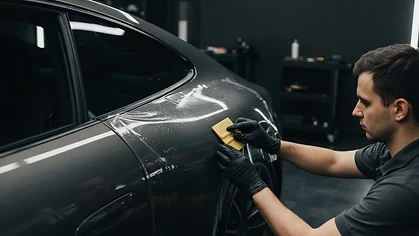
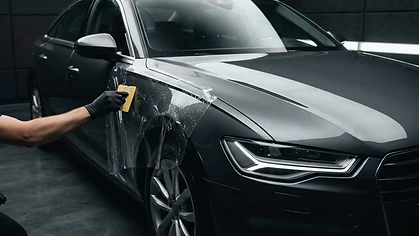
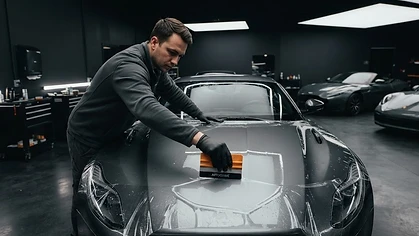
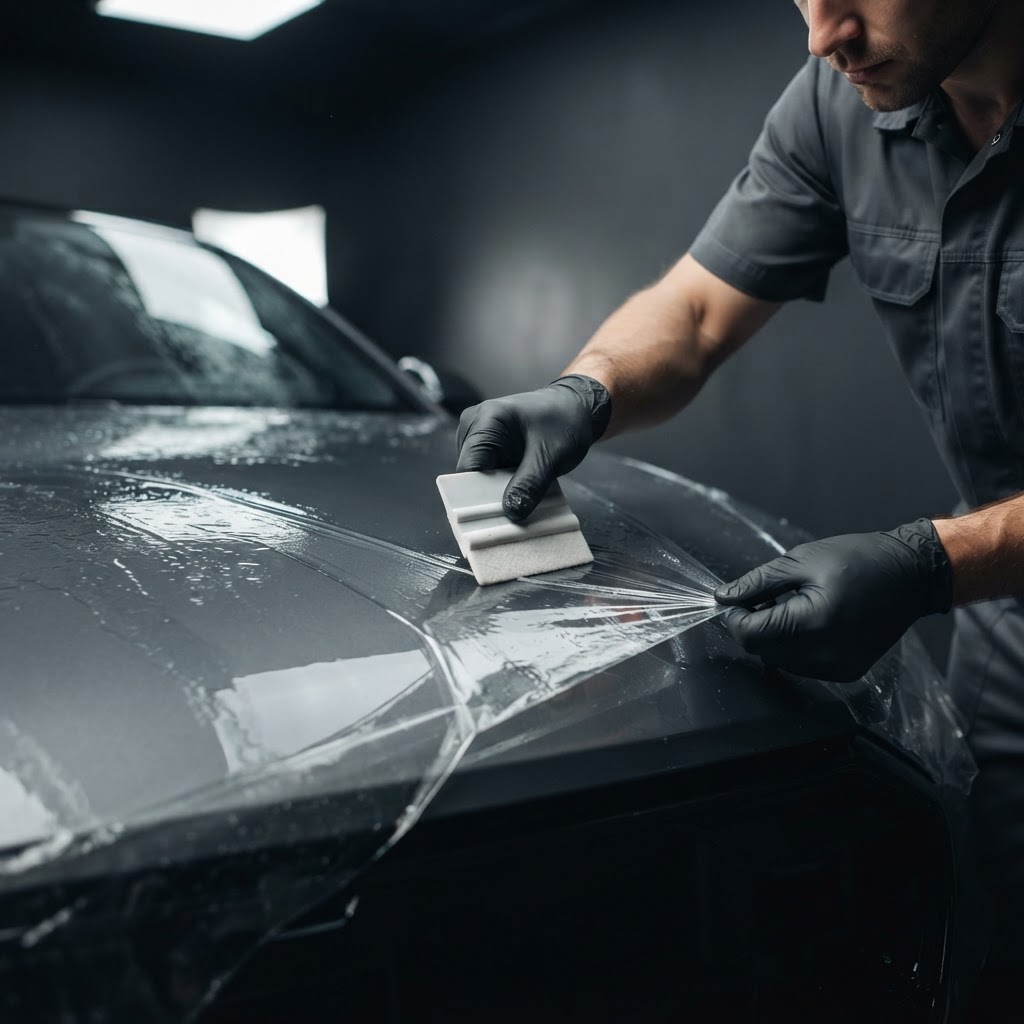
Paint protection film — commonly abbreviated as PPF — is a transparent, thermoplastic urethane film applied to a vehicle's painted surfaces. It is designed to act as a sacrificial physical barrier between the paint and the environment, absorbing the impact of small road debris such as stone chips, gravel, and sand before those particles reach the painted surface beneath.
PPF is most commonly considered for forward-facing surfaces that receive greater road exposure — the front bumper, hood, front fenders, and exterior mirrors. Coverage can range from selected high-impact areas to broader vehicle coverage, and the appropriate level depends on which surfaces the owner wants protected and the type of exposure they are concerned about. For a detailed comparison of two common coverage levels, our Full Front vs Full Vehicle PPF guide explains the differences. If you are still evaluating whether PPF makes sense for your vehicle, our Is Paint Protection Film Worth It? article covers the broader value question.
It is worth noting that PPF does not eliminate the possibility of paint damage. It is designed to reduce the risk of damage from common road debris on the surfaces it covers. Areas not covered by film remain exposed. A professional installer can help identify which surfaces are most relevant for a specific vehicle. For more information about the service itself, see our Paint Protection Film service page.
Protective Coatings
Protective coatings — often called ceramic coatings — are liquid-applied products that bond to a vehicle's paint surface to create a thin, protective layer. Unlike PPF, a coating is not a physical film designed to absorb the impact of road debris. Instead, coatings affect how the surface interacts with water, contaminants, and cleaning.
A coating can make the surface easier to clean by reducing the tendency of contaminants such as bird droppings, tree sap, and road grime to bond tightly to the paint. Many coatings also exhibit hydrophobic behavior, meaning water tends to bead and roll off the surface more readily. Some coatings also enhance the perceived gloss of the paint.
Because coatings and PPF perform different functions, they are not interchangeable. PPF provides physical protection against road debris on covered surfaces; coatings affect surface behavior and maintenance characteristics. The two can also be used together, with a coating applied over PPF. For a detailed comparison of how PPF and coatings differ, our PPF vs Ceramic Coating guide covers the distinction in depth. For more information about the coating service, see our Protective Coatings service page.
Window Tint
Window tint is a separate protection and comfort category applied to a vehicle's glass rather than its painted surfaces. Tint film reduces the amount of visible light and ultraviolet radiation passing through the windows, and can help manage interior heat, reduce glare, and provide a degree of privacy depending on the film selected.
Tint performance varies by product, with different films offering different levels of visible light transmission. The appropriate tint level depends on the owner's preferences for appearance, comfort, and privacy, as well as applicable local regulations. Tint laws vary by jurisdiction, and a given film percentage that is legal in one area may not be legal in another. A professional installer can help identify which tint options comply with local law and meet the owner's goals. For more information, see our Window Tint service page.
Which Areas of a New Vehicle Face More Road Exposure?
Not every surface of a vehicle faces the same level of exposure to road debris and environmental contact. Understanding which areas commonly receive greater exposure can help in deciding where to focus protection.
The forward-facing painted surfaces — the front bumper, the leading edge of the hood, the front fenders, and the exterior mirror caps — are commonly exposed to road debris during normal driving. Rock chips, sand, and gravel kicked up by other vehicles tend to strike these areas first. The rocker panels and lower door areas can also be affected by debris thrown by the vehicle's own tires.
Rear wheel-arch areas and the rear quarter panels can receive exposure from rear-wheel-thrown debris, particularly on wider vehicles. The hood and roof are generally exposed to airborne contaminants such as bird droppings, tree sap, and industrial fallout, though they face less direct impact from road debris than forward-facing surfaces.
It is important to note that these are general observations about exposure patterns, not predictions of damage. Whether a given surface will actually be affected depends on driving conditions, road environments, and other variables. A professional installer can assess a specific vehicle and help identify which surfaces may warrant attention based on its panel geometry and the owner's concerns.
Can PPF, Coatings, and Tint Be Used Together?
Yes. Because PPF, protective coatings, and window tint address different surfaces and functions, they can coexist on the same vehicle without conflict. PPF protects covered painted surfaces from physical debris. A coating can be applied over PPF or to uncovered painted surfaces to affect surface behavior and maintenance. Window tint is applied to glass and does not interact with painted-surface protection.
The question is not whether these categories can be combined, but which combination makes sense for a given vehicle and owner. Some owners choose PPF on high-impact front surfaces plus a coating over the rest of the vehicle for easier cleaning. Others add window tint for comfort and UV reduction. The appropriate combination depends on the surfaces the owner wants protected, the type of exposure they are concerned about, and their maintenance priorities.
For a detailed comparison of how PPF and coatings differ in function and performance, see our PPF vs Ceramic Coating guide.
How to Decide What Protection Makes Sense for Your New Vehicle
Rather than prescribing a single package, it can help to consider several decision factors when planning protection for a new vehicle:
- Surfaces to protect: Which painted surfaces does the owner want covered — only high-impact front areas, or broader vehicle coverage?
- Type of exposure: Is the primary concern road debris and stone chips, surface contamination and cleaning, or interior heat and UV?
- Appearance preferences: Does the owner want to maintain the factory finish, enhance gloss, or change the vehicle's appearance?
- Maintenance priorities: How important is ease of cleaning and ongoing surface maintenance to the owner?
- Coverage level: Does the owner prefer selected-area protection or more comprehensive coverage across the vehicle?
- Budget: What investment is the owner prepared to make in protection, and how does that align with the available options?
- Local tint regulations: What tint levels are legal in the owner's jurisdiction, and do those limits align with the owner's preferences?
These factors are independent of assumptions about how the vehicle is used. A vehicle that sees regular road exposure may benefit from front-surface PPF; a vehicle that sees less road exposure may not. The decision depends on the owner's specific concerns and priorities, not on a predetermined category of driver or vehicle.
Questions to Ask a Professional Installer
When discussing protection options with a professional installer, the following questions can help clarify what is being proposed and whether it fits the owner's goals:
- Which areas does this coverage package include? Understanding exactly which surfaces are covered helps compare options accurately.
- What film or coating product is being installed? Different products have different characteristics, and knowing the specific product allows independent research.
- What preparation is required before installation? Some installations require paint correction or decontamination before film or coating application.
- What maintenance is recommended after installation? PPF, coatings, and tint each have different care requirements, and understanding them helps set expectations.
- What warranty terms come from the manufacturer or installer? Warranty coverage varies by product and installer, and the owner should understand what is and is not covered before proceeding.
- How should PPF and coatings be maintained if both are installed? When film and coating are used together, the care routine may differ from either product alone.
- What tint level complies with applicable local law? Tint regulations vary by jurisdiction, and an installer familiar with local requirements can help ensure compliance.
These questions are not exhaustive, but they provide a framework for evaluating protection proposals and comparing options from different installers.
Building a Practical New Car Protection Plan
A practical protection plan for a new vehicle starts with understanding what each category does and then selecting the combination that fits the owner's priorities:
- PPF provides a physical barrier on covered painted surfaces, reducing the risk of damage from road debris on those areas.
- Protective coatings affect surface behavior and maintenance characteristics, making the surface easier to clean and influencing water behavior and gloss.
- Window tint addresses glass-related concerns such as visible light, UV, heat, glare, and privacy, depending on the film selected.
The correct combination depends on the vehicle, the surfaces the owner wants protected, the type of exposure they are concerned about, and their maintenance and appearance priorities. There is no single package that is appropriate for every vehicle or every owner. A professional installer can help assess a specific vehicle and recommend a protection plan that aligns with the owner's goals and budget.
Ready to protect your vehicle?
Get a personalized recommendation from ArtDeShine Studios.