ArtDeShine Porsche Protection Architecture
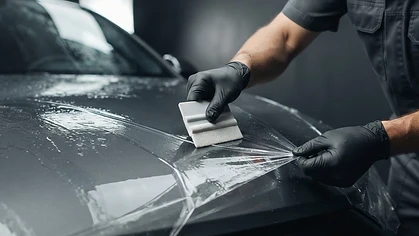
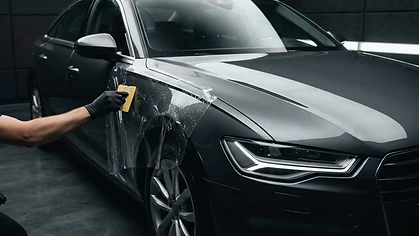
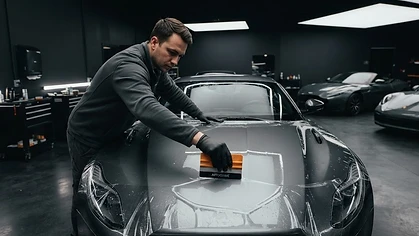
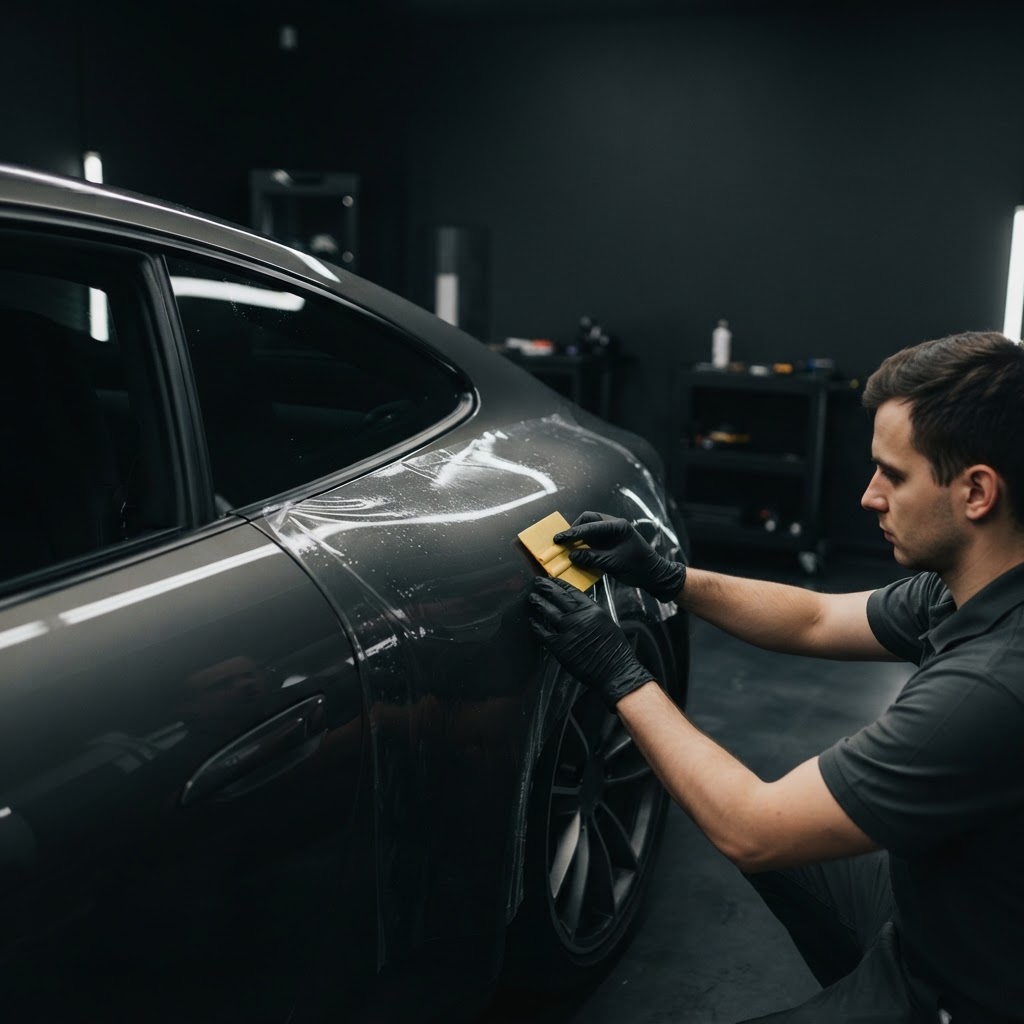
Selecting paint protection film for a Porsche begins with understanding how coverage is structured. ArtDeShine organizes PPF into five standardized packages — Bumper Protection, Partial Front, Full Front, Track Package, and Full Vehicle — each addressing a progressively larger set of forward-facing and lateral painted surfaces. The architecture is designed around surface exposure and panel geometry rather than assumptions about how a particular vehicle is used.
The Bumper Protection package covers the front bumper alone — the panel that typically encounters the most direct road debris. Partial Front extends from the bumper to include approximately 18 to 24 inches of the leading hood area, matching partial front fender coverage, the outer mirror caps, and the headlights. Full Front expands to the full hood, full front fenders, headlights, and mirrors, addressing the complete forward-facing painted surface. The Track Package adds the A-pillars and front roof edge, rocker panels and side skirts, lower doors, and rear wheel arches to the Full Front coverage. Full Vehicle encompasses all painted exterior body panels.
Each package builds on the one before it, so the decision is not between isolated options but between levels of coverage that can be matched to a Porsche's panel layout and the environments it encounters.
Assessing Surface Vulnerability
Porsche body designs vary across platforms, and that variation affects which panels face the most direct exposure. A low-slung 911 with a wide front track presents a different surface profile than a taller Macan or Cayenne. Front fascia complexity, leading hood edges, fender flare contours, and headlight housing shapes all influence where road debris is most likely to make contact.
Some Porsche front-end designs include recessed intake areas, compound curves, and sharp panel transitions. These features do not make a vehicle inherently fragile, but they do mean that film installation requires careful templating and precise edge placement. A panel with a complex curve may need additional film relief cuts to conform cleanly, and leading edges that face direct airflow may benefit from coverage that extends to the full panel rather than a partial section.
Understanding these geometric differences helps frame the coverage decision around the vehicle's actual panel layout rather than a generic recommendation. A Porsche with a long, flat hood may have more leading-edge exposure than one with a shorter, more raked front end. Assessing the specific model in front of you — rather than relying on a category label — leads to a more accurate coverage choice.
Environment and Preservation Priorities
The right coverage package depends on the road conditions a Porsche encounters and the owner's preservation priorities. A vehicle that sees regular highway driving faces more sustained front-end exposure to loose grit, salt, and construction debris than one that travels primarily on local roads. Similarly, a vehicle parked outdoors or driven through varied climates encounters different environmental factors than one stored in a controlled environment.
These factors are not tied to a specific owner type. The relevant question is what the vehicle is exposed to: how much highway time, what road conditions, what climate, and how the owner prioritizes long-term paint preservation. A Porsche that regularly covers long distances on open highways may benefit from Full Front or broader coverage, while one that sees less road exposure may be well served by Partial Front or Bumper Protection.
For a broader look at how these packages compare across vehicle types, our general PPF coverage comparison walks through the same five-package architecture in a wider context. The goal is to match coverage to exposure — not to default to the largest package, but to select the tier that addresses the surfaces most relevant to the vehicle's real-world conditions.
Enhancing Protection with Ceramic Coatings
Ceramic coatings may be applied over compatible paint protection film to add hydrophobic surface behavior to the film. A coating layer can help simplify routine cleaning and maintenance by reducing the tendency of some contaminants — such as road grime, brake dust, and organic material — to bond tightly to the surface.
It is important to distinguish the roles. PPF provides a physical, sacrificial layer designed to help reduce direct exposure to road debris. A ceramic coating does not add the same physical-impact protection; its contribution is primarily surface behavior — water repellency and easier cleaning — rather than impact resistance. The two systems complement each other when used together, but they serve different functions.
This dual-layer approach can help preserve the appearance of the film itself, keeping the protected surfaces easier to maintain over time. The specifics of coating compatibility depend on the film product, the coating product, and the installation process, so pairing the two is best discussed with a technician who can confirm which products work together.
Model-Specific Coverage Considerations
Each Porsche chassis platform presents a distinct protection profile. A 911's low front end, wide rear, and prominent air intakes create a different exposure pattern than a Cayenne's taller stance and larger frontal area. A 718's compact mid-engine layout, a Taycan's low electric profile, and a Panamera's long four-door body each interact with road debris differently based on ride height, front-end angle, and panel proportions.
These differences mean that coverage priorities shift with the model. A taller vehicle may have more surface area exposed to kicked-up debris from the front wheels, making rocker and lower-door coverage more relevant. A lower vehicle with a long hood may prioritize full hood and fender coverage. The Track Package's inclusion of rockers, lower doors, and rear wheel arches addresses lateral and lower-body exposure that becomes more relevant depending on the vehicle's geometry and the roads it travels.
For 911 owners, we offer a dedicated 911-specific coverage guide that examines how Full Front and Full Vehicle packages apply to that platform's silhouette. This broader guide remains the Porsche brand-level resource; the 911 article provides the narrower model-specific detail.
Regardless of the model, the most useful next step is to discuss your specific Porsche — its configuration, the roads it sees, and your preservation priorities — with ArtDeShine Studios. A consultation allows us to map the right package tier to your vehicle's actual exposure profile rather than relying on a generic recommendation.
Ready to protect your vehicle?
Get a personalized recommendation from ArtDeShine Studios.