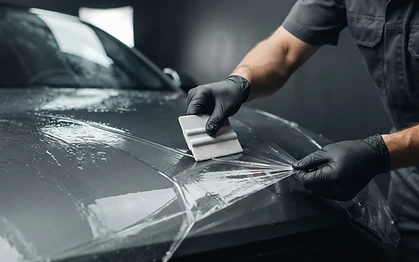
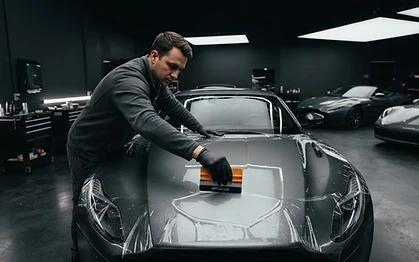
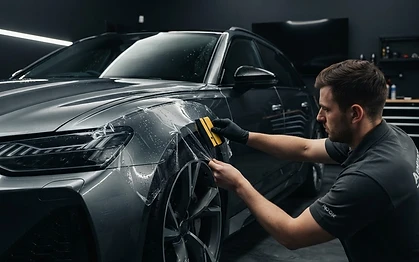
How to Choose the Right PPF Coverage for Your Vehicle
A decision framework for balancing protection, vehicle exposure, and ownership goals.
Quick Answer
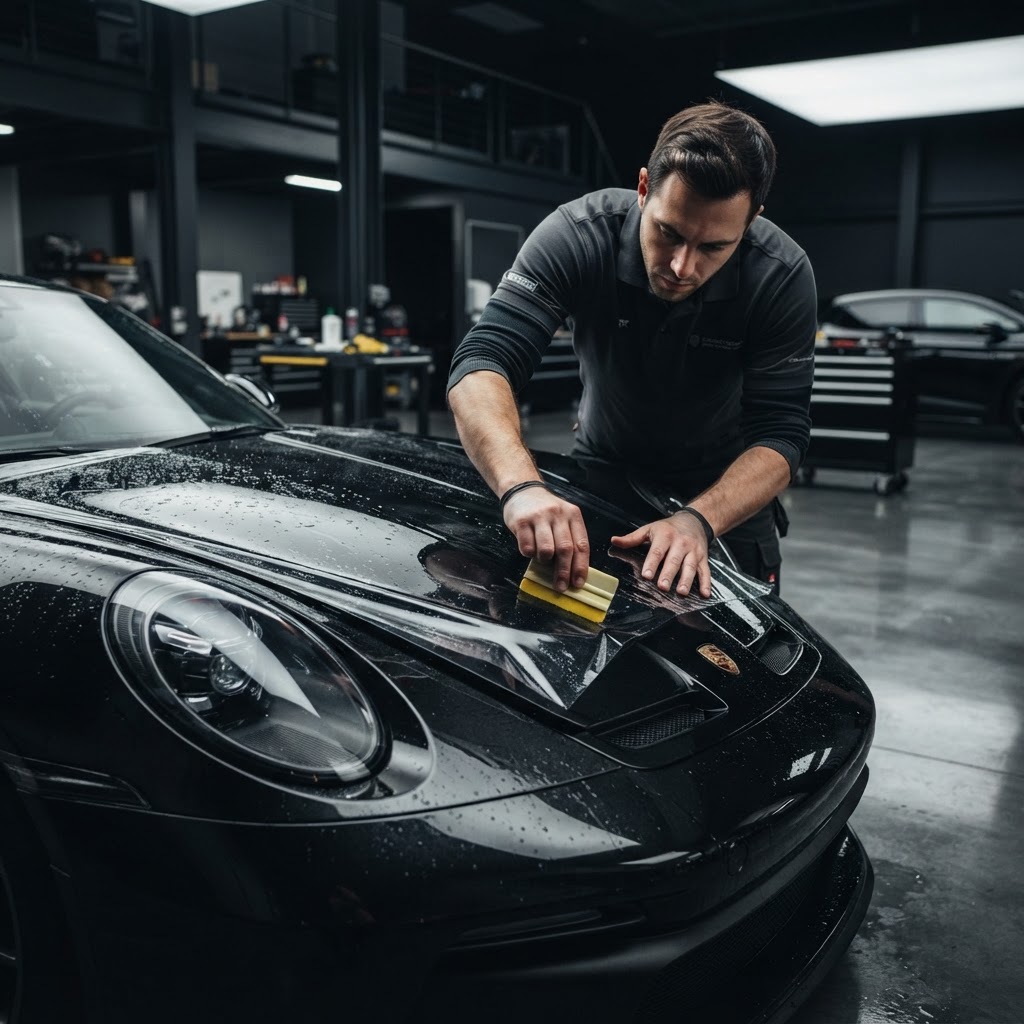
Selecting the right paint protection film coverage depends on balancing your vehicle's geometry, driving habits, and long-term preservation goals. We offer five distinct tiers of coverage: Bumper Protection, Partial Front, Full Front, Track Package, and Full Vehicle. Front-end options like Full Front or the Track Package are well-suited for vehicles with regular highway exposure, while Full Vehicle coverage provides broader protection across all painted exterior body panels. By assessing your exposure to high-impact zones and your specific preservation priorities, you can choose a package that aligns with your coverage needs.
Start With the Areas You Want to Protect
Choosing the right paint protection film (PPF) coverage begins with identifying the specific goals you have for your vehicle’s condition. Every owner prioritizes different areas based on how they use their vehicle and what they hope to maintain over time. Whether you are aiming to help protect the most vulnerable points from road debris or looking to keep every panel in pristine condition, defining these priorities is the essential first step.
Before selecting a package, assess your specific concerns. Some owners are primarily worried about stone chips on the front bumper, while others prefer consistent protection across the entire exterior. By determining which panels are most critical to your long-term preservation goals, you can better align your budget with the coverage that delivers the results you expect.
Compare the Five PPF Coverage Packages
We categorize our paint protection film services into five distinct levels, each providing a different tier of coverage. Understanding these boundaries ensures you select the package that matches your needs:
- Bumper Protection: Focused front bumper coverage that addresses the most exposed area of the front end.
- Partial Front: Protection for the hood and fenders, typically stopping short of the mirrors and full front-end components.
- Full Front: A combined approach covering the hood, fenders, mirrors, and bumper for consistent front-end coverage.
- Track Package: High-impact protection that includes everything in the Full Front package, plus A-pillars, door cups, and other specific high-exposure zones.
- Full Vehicle: Complete body coverage that includes all painted exterior body panels.
For a detailed look at how the most popular options differ, you can compare Full Front and Full Vehicle coverage to see which level better suits your specific requirements.
Match Coverage to Road and Environmental Exposure
Your local driving environment plays a major role in determining which level of coverage is appropriate. Vehicles that frequently encounter highway driving, construction zones, or roads with loose gravel are at a higher risk of impact damage. In these environments, the front of the vehicle bears the brunt of the kinetic energy from road debris.
If your daily route involves significant highway miles, prioritizing front-end packages like the Full Front or Track Package can help mitigate the risks of pitting and paint chips. Conversely, if your vehicle primarily remains in lower-traffic areas, your needs may be different. Evaluating the specific hazards your vehicle faces allows you to invest in protection that works effectively for your unique environmental exposure.
Consider Vehicle Design and High-Impact Areas
The physical geometry of your vehicle influences its susceptibility to paint damage. Low-slung sports cars with wide fenders or aggressive front-end angles often have larger impact zones that catch road debris more easily than a standard SUV or sedan. A low front bumper may be more prone to stone chips and road salt damage, necessitating more robust coverage.
Consider how your vehicle’s design creates specific vulnerability points. For example, wide rear fenders on certain performance models often act as magnets for debris kicked up by the front tires. Recognizing these high-impact zones helps in deciding whether a standard front-end package is sufficient or if expanding coverage to include specific panels like side rockers or rear fenders provides a better balance of protection for your vehicle's specific shape.
Balance Coverage With Budget and Preservation Goals
Selecting the right coverage involves weighing immediate costs against your long-term ownership plans. If you intend to keep a vehicle for many years, higher-tier coverage may provide more value by preventing the cumulative wear that occurs over time. Full Vehicle coverage, in particular, provides broader protection across all painted exterior body panels, helping to reduce the risk of environmental damage over time.
Conversely, if your focus is on localized preservation for a specific car, a focused package may offer the best value. Regardless of the tier, remember that the quality of the installation and the film itself are just as important as the amount of area covered. If you need a foundational understanding of how these materials perform, refer to our complete guide to PPF.
When Full Front, Track Package, or Full Vehicle Makes Sense
Choosing between these levels depends on how much of the vehicle you want to keep in its original state. The Full Front package is the baseline for many enthusiasts because it covers the areas most frequently hit by road debris. If you frequently participate in events or drive on roads with high debris levels, the Track Package offers extra defense for vulnerable spots like the A-pillars and door cups.
Full Vehicle coverage is the logical choice if you want to avoid the visible lines between protected and unprotected panels or if you want consistent peace of mind across the entire exterior. By isolating the specific risks your car faces, you can determine if the comprehensive nature of the Full Vehicle package is the right investment for your long-term goals.
Make Your PPF Coverage Decision
Selecting the right protection is about finding the balance between your environmental risks, your vehicle’s design, and your specific preservation goals. Whether you opt for a targeted front-end package or full-vehicle coverage, understanding the purpose of each level ensures you invest in the protection that meets your expectations.
If you are ready to apply these factors to your specific vehicle, we are here to assist with a detailed plan for your project.